Showing posts with label Meat. Show all posts

Saturday, June 6, 2015

Our local Supermercado Coopeatenas has just started to carry Hormel Canadian Bacon. It has been reported to be selling for around $15 USD per pound, or ¢16,500 CRC per kilo. Now we love Canadian Bacon and we haven’t had it in years, but $15 per pound it just a little beyond our normal budget.

This got me thinking, that if we could brine a ham, we should be able to cure bacon. How hard can it be? I started searching the internet and found a couple of similar recipes that would work with the ingredients in my pantry.

So here you have it… A lean pork tenderloin is soaked in a salty sweet maple cure then smoked, sliced, and pan fried. The end result is better than we imagined and so much better than imported store bought. We will be making this frequently.

Ingredients:
1 gallon water, divided into 1 quart & 3 quarts
1 cup kosher or Himalayan pink salt, coarse grind
1 cup maple syrup (imitation maple will also work)
1/2 cup brown sugar
2 teaspoons pink curing salt (aka InstaCure or Prague Powder. This is called "Sal de Cura" in Costa Rica and I have found it at the Alajuela Central Market at vendor booth #34)
4 bay leaves
4 medium cloves garlic, peeled and smashed
1 tablespoon of peppercorns
1 boneless pork tenderloin, trimmed of excess fat (about 4 to 5 pounds)
1 to 2 large chunks of light smoking wood, such as lemon or coffee wood

Directions:
Make the brine by combining 1 quart of water, salt, maple syrup, brown sugar, pink salt, bay leaves, garlic, and peppercorns in a medium saucepan. Bring to a boil over high heat, stirring to dissolve all the salt and sugar. Boil for about a minute.

Pour 3 quarts of very cold water into a large container (I use an inverted plastic cake safe). Add the brine mixture and when it is completely chilled, submerge the pork into the cure. If the meat tries to float, place a heavy weight on top of it to keep it in the brining solution. Place the container in the refrigerator for 3 to 5 days. Turn the pork over every day to make sure it cures evenly.

Remove the pork from the cure and dispose of the brining solution. Fill the container with fresh cold water and submerge the pork again for a minimum of 30 minutes. Remove pork from the water and pat it dry with paper towels.

Heat your smoker or grill to about 225°F and when it's at temperature, add the wood chunks for smoke. When the wood starts smoking, you ready to add the pork. It is best to use indirect heat for this process. When the internal temperature of the thickest part of the meat reaches 140-145°F, it’s done. This should take about 2 or 3 hours.

Let the bacon rest for about 30 minutes before slicing. Pan fry and enjoy!

We had Eggs Benedict for breakfast this morning. What a treat!!

0

Thursday, March 12, 2015

Next week will be Saint Patrick's Day and for the first time since we've been in Costa Rica, we have a corned beef brisket ready to cook to celebrate this American Irish holiday. I had been hungry for some corned beef brisket for a few years now, and decided a couple of weeks ago we really needed to try our hand at making a brine and home curing a brisket. This is amazingly easy if you have the 10 days of preparation time. This is not something you decide to make from one day to the next.

The first challenge was to locate all the spices I would need for the brine solution. I had enough Prague Powder #1 (InstaCure Pink Salt) on hand that our daughter had brought from the States, so I just needed to track down the rest of the spices. It turned out most of the ingredients can be found at our local spice vendor's booth at our Feria (Farmers' Market) every Friday morning. I was able to find a couple of the spices he didn't carry at the Mercado Central (central market) in Alajuela, including a new local source for the Prague Powder #1, called "Sal de Cura" at vendor booth #34. The only spice I couldn't locate was juniper berry. With just a little research I found sprigs of Rosemary make an acceptable substitute, and the Rosemary will impart the same earthy pine flavor and scent as a juniper berry.

If you have the time to brine, and you're ready to try your hand a making a home cured corned beef brisket, here's how to do it.

Ingredients:

Spice Mix:
4 cinnamon stick, broken into several pieces (canela)
1 tablespoon mustard seeds (semillas de mostaza)
1 tablespoon black peppercorns (granos de pimienta negra)
1 tablespoon coriander seeds (semilla de culantro)
2 teaspoons Star Anise (estrellas de anĂ­s)
½ teaspoon red pepper flakes (hojuelas de chile rojo)
24 whole cloves (clavo de olor)
24 whole allspice berries (granos de Jamaica)
24 whole juniper berries or 8 sprigs of rosemary (ramitas de romero)
6 bay leaves, crumbled (hojas de laurel)

Thoroughly mix all the spices together and store in an airtight jar.

Corned Beef Brine:
3 quarts of water
1½ cup kosher salt (we use swimming pool salt because it is pure with no iodine or floride)
3/4 cup brown sugar
3 ounces Prague Insta-Cure #1 (by weight, not by volume) (Sal de Cura)
5 tablespoons of Spice Mix
3/4 teaspoon ground ginger (jengibre molido)
4 sliced cloves of garlic (optional) (clavos de ajo)
2 pounds ice
1 (6 to 7 pound) beef brisket, trimmed (pecho entero)

Directions:

Curing the Meat:
Place the water into a large 6 to 8 quart stockpot along with salt, sugar, Prague powder, and all the spices. Cook over high heat until the salt and sugar have dissolved. Remove from the heat and add the ice. Stir until the ice has melted. If necessary, place the brine into the refrigerator until it reaches a temperature of 45 degrees F. Once it has cooled, place the brisket in a 2-gallon container (or zip top bag) and add the brine. Seal the container, and refrigerate for 10 days. Check daily to make sure the beef is completely submerged, turn it over as necessary and stir the brine.

After 10 days, remove from the brine and rinse well under cool water and remove the old spices. I recommend the brisket be soaked in cold water for 2 hours to remove some of the saltiness. At this point you can freeze the brisket in a vacuum sealed package, or cook it.

Cooking:
When you are ready to cook, place the brisket into a pot just large enough to hold the meat, cover with water, bring to a boil and reduce to low for 30 minutes to remove salt. Pour off all the salty water, add the onion, carrot and celery and cover with water by 1-inch. If you like additional spice, add 1 tablespoon of the leftover mix. Set over high heat and bring to a boil. Reduce the heat to low, cover and gently simmer for 2½ to 3 hours, or until the meat is fork tender. If you want, you can add cabbage and potatoes during the last 45 minutes of cooking. Remove from the pot and thinly slice across the grain.

(Modified from Alton Brown’s recipe on the Food Network, 2007)

0

Sunday, November 23, 2014

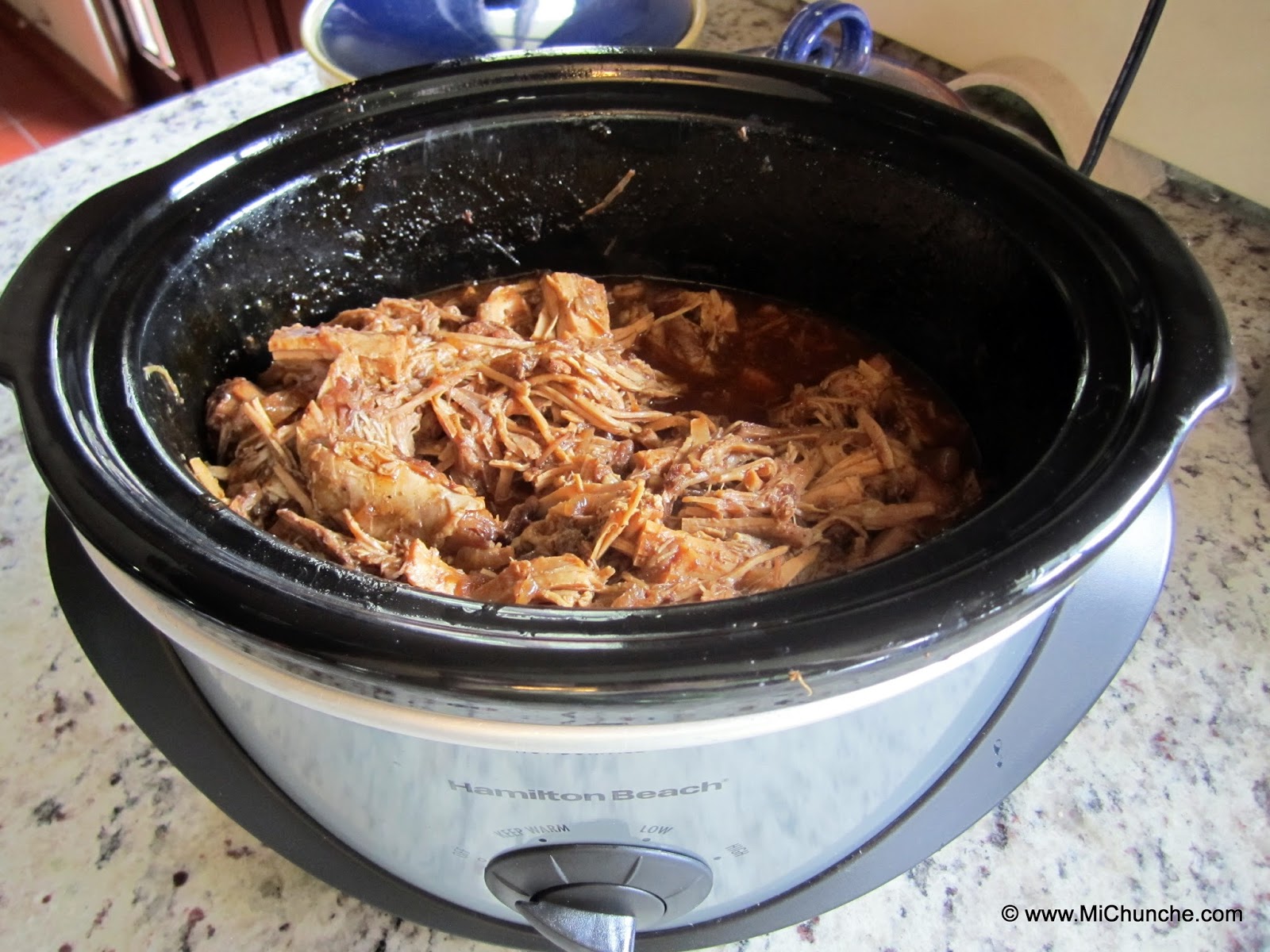
I came up with a simple new recipe for Sunday's Pork Roast dinner, using honey and balsamic vinegar. The meat came out wonderfully rich and flavorful, and perfectly fork tender. I put this on to cook on high, at 7 AM, and it was ready to serve by 1 PM. This recipe will definitely go on my "make it again" list. 

Ingredients:
4 pound boneless pork roast
1 tablespoon vegetable oil
1 tablespoon all purpose steak rub
1 tablespoon Worcestershire sauce
1 tablespoon Dijon mustard
½ teaspoon garlic powder
1/3 cup of honey
1/3 cup of balsamic vinegar
1/3 cup of chicken stock

Directions:
Grease the slow cooker with a tablespoon of vegetable oil. Thoroughly coat pork with steak rub and place it in the slow cooker with the fat side up. Mix all of the remaining ingredients in a small bowl. Pour this mixture over the pork, cover and cook on low for 6-8 hours, or high for 4-6 hours. The roast is ready when the meat shreds apart easily.

Serve with a side of rice, or potatoes, and steamed broccoli.

1

Thursday, September 19, 2013

Ingredients:
2 medium onions, thinly sliced
6 garlic cloves, thinly sliced
1 cup chicken stock
2 tablespoons packed dark brown sugar
1½ tablespoons chili powder
1½ tablespoons kosher salt, plus more as needed
1 teaspoon ground cumin
½ teaspoon ground cinnamon
4½ -5 pound boneless pork
2 cups barbecue sauce

Directions:
Place the onions and garlic in the bottom of the crock pot. Add the chicken stock.

Combine all the dry ingredients in a small bowl to make a dry rub.

Rinse the pork meat and pat it dry with paper towels.

Thoroughly coat the pork with the dry rub and place the meat on top of the onions and garlic.

Cover and cook until the pork is fork tender. It will take 6-8 hours on high, or 10-12 hours on low.

Turn off the crock pot. Carefully remove the pork and place it on cutting board. It will be so tender it will want to break apart. Let the meat rest for about 15 minutes.

Slice it cross grain in one-inch slices. Then shred the sliced meat into bite-size pieces with 2 forks and discard any fat.

Pour all of liquid in the crock pot into a medium size bowl.

Use a skimmer, or strainer, to collect the solid onions and garlic from the liquid and return it to the crock pot.

Set the remaining liquid aside to cool.

Add all of the shredded pork back to the crock pot with 2 cups of barbecue sauce.

When liquid has cooled, skim off the grease and discard.

Now add 1 cup of the strained liquid to the crock pot with the meat and barbecue sauce and discard the remaining liquid.

Heat the pork until ready to serve on hamburger buns.

Garnish with fresh sliced onions, dill pickles and Jalapeño peppers.
0

Wednesday, February 13, 2013

This week we tried something we'd never done before, we brined a fresh ham and cooked it outdoors, in our wood fired stone oven. All I can say is wow! It has been almost 2 years since we've enjoyed a whole ham, and this was a real treat.

Back in December we split the cost of a freshly butchered pig with a friend and have enjoyed some small pieces on the grill, but we've really wanted to make some sausage and ham. After a little research, we came up with the perfect recipe for the ham. We started to brine the pork on a Thursday morning and the following Monday morning we fired up our stone oven and prepared the ham for roasting. Let me just say, "John is an awesome chef!!

Ingredients:
Brine:
4 cups kosher salt
4 cups sugar
6 bay leaves
1 cup fennel seeds
½ cup mustard seeds
3 tablespoons crushed red pepper flakes
2 sprigs rosemary
25 garlic cloves, or garlic bulbs, cut in 1/2 equatorially
1½ large onions, coarsely chopped
5 ribs celery, coarsely chopped
3 gallons water
3 teaspoons of Prague Powder #1 (or Insta-Cure #1)
1 (15-18 pound) bone-in fresh ham

Paste:
6 sprigs of fresh rosemary, picked and leaves finely chopped
½ cup of finely chopped fresh cilantro
¼ cup of finely chopped fresh oregano
1 pod of garlic, smashed, peeled and rough chopped
2 large pinches crushed red pepper flakes
Kosher salt
½ cup Extra-virgin olive oil

Glaze:
¾ cup Dijon mustard
¾ cup whole-grain mustard
1 tablespoon of mustard seeds
¾ cup honey
¼ cup molasses

Potatoes:
2 pounds medium size unpeeled potatoes, washed and cut in ½
Olive oil
Salt
2 cups chicken stock

Directions:
To brine the pork:
Combine all of the ingredients in a large container. Submerse the ham in the brine and let it soak for 3-4 days in the refrigerator. Weight the ham down with a plate and bricks so that it is totally submerged in the brine. (This is a plan-ahead meal, but worth it!)

To cook the pork in wood fired stone oven:
We cooked the ham outdoors in our wood fired stone oven. We brought the temperature up to 500°F and let the oven soak up the high heat for about an hour. Then the oven heat gradually drops to the perfect roasting temperature for the duration of the cook time. If the oven cools below 300°F, you can always add a little fuel (lit wood or coals) to bring the temperature back up to around 350°F. Follow the instructions below for basting and glazing. After following the instructions for the first hour, we found the potatoes nicely roasted, so we removed them prior to adding the chicken stock. We then covered the ham loosely with aluminum foil and returned it to the oven (now at about 375°F) to finish cooking. When the ham’s internal temperature reaches 150°F to 160° F. deep inside, near the bone, its done. A 15+ ham could take up to 5½ to 6 hours.


To cook the pork in conventional oven:
Preheat the oven to 450 degrees F.
Remove the ham from the brine, pat dry and make slices in the skin to create a diagonal cross-hatch pattern.

To make the paste:
In a food processor, combine the rosemary, cilantro, oregano, garlic, crushed red pepper, salt, to taste, and about 1/2 cup of olive oil. Massage this mixture generously all over the outside of the ham.

Put the potatoes in a roasting pan large enough to accommodate the potatoes and the ham. If the ham hock is exposed, you may want to wrap it in aluminum foil so it doesn’t cook faster than the rest of the meat. Toss the potatoes generously with some olive oil and salt. Nestle the ham on top of the potatoes and place the roaster in the preheated oven. Check the pork in about 30 minutes, and you should find the skin is starting the get brown and crispy. Remove the ham from the oven and rotate it so you can baste the other side with any leftover herb/olive oil paste and rearrange the potatoes so they don't burn. Nestle the pork back onto the potatoes and return to the oven. Roast for another 30 minutes.

Remove the ham from the oven after the first hour. Check the potatoes to see if they are getting a little crispy, rearrange them and add the chicken stock to the bottom of the pan to keep things really moist and juicy. Reduce the heat in the oven to 350°F and roast for another 2 to 3 hours. When the potatoes are done, go ahead and remove them to serve when the ham is finished

To make the glaze:
While the ham is cooking, combine the Dijon mustard, whole-grain mustard, mustard seen and honey in a small bowl. When the meat’s internal temperature reaches 125°F, remove the ham from the oven and brush it, generously, with the honey mustard mixture. Return the ham to the oven and roast it for about 30 minutes. Flip it over and brush again with the honey mustard mixture (really slather it on the pork). Roast until it reaches an internal temperature of 150°-160°F on an instant-read thermometer.

Remove the ham from the oven, to a cutting board, tent it with aluminum foil and let it rest for at least 20 to 30 minutes before slicing.

Carve that puppy across the grain, and arrange the slices on a serving platter. Re-warm (if necessary) the potatoes and transfer them to a serving bowl to serve with the ham

Dig in and enjoy!!!!

Many thanks go to Anne Burrell of the FoodNetwork for the inspiration behind this fabulous recipe.
1

Thursday, March 22, 2012

This is one of my favorite casseroles because it's one dish, fast to put together, and a real crowd pleaser.  The Jalapeños enhance the flavor the sausage and potatoes without overpowering them with spice.

Ingredients:
2 pounds of potatoes
1½ pounds of chorizo (or other favorite spicy sausage) 
1 medium red onion
1 medium yellow onion
1 - 5½ ounce can of pickled "Malher* Chili Jalapeño" halves in brine (Depending on your tolerance for hot and spicy, you may want to try this the first time with just a ½ can and work your way up.)
2 teaspoons seasoning salt
1 tablespoon Worcestershire sauce 
1 tablespoons olive oil
1/2 cup grated Romano or Parmesan cheese

Directions:
Wash potatoes and cut up into 1 to 2 inch chunks. Slice onion into ½ inch slices and then quarter each slice. Slice the chorizo into 1 inch chunks. Toss everything with seasoning salt in olive oil and place in a baking dish. Pour the brine from the Jalapeño over the potatoes and onions. Remove any stems on the Jalapeño halves and slice each half in thin strips lengthwise and toss them with the chorizo, potatoes & onions. Cover and bake at 375 for 30 minutes. Remove cover, top with cheese and return it to the oven for another 15 minutes or until the potatoes are done and cheese is toasted. Serve

* The Malher brand of Jalapeño chili peppers are found everywhere in Costa Rica, but they are hard to find in the States. These peppers are milder Jalapeños than what you'll find in most of the grocery stores Stateside. This particular brand will enhance the flavor of any food and not over power it. If you can't find the Malher brand, you will need to adjust the amount of brine and Jalapeños to suit your taste.

0

Sunday, January 30, 2011

Cochinita Pibil, or Roasted Suckling Pig, is a popular cuisine found in the Yucatan Peninsula of Mexico. The pork is frequently marinated for 24 hours and then roasted in the oven, wrapped in plantain leaves. This recipe is a quick method, using a pressure cooker.

Ingredients:
  • 2 pounds/1 kilo pork sirloin
  • 1 cup Orange juice*
  • 1/2 cup Lemon juice*
  • 3 tablespoons of Achiote paste
  • 1/4 teaspoon Cumin
  • 1/4 teaspoon Cinnamon
  • 1/4 teaspoon coarse ground Black Pepper
  • 1 teaspoon salt
  • 1/2 teaspoon dried Oregano
  • 1/4 teaspoon Thyme
  • 3 cloves of Garlic, minced
  • 1 dried Chipotle Morita pepper, sliced in half & minced (with or without seeds, depending on how hot you want it)
  • 2 Bay Leaves
  • 2 tablespoons of Olive oil
(* In Costa Rica, I use 1.5 cups of Naranja Agria juice in place of the Orange and Lemon juices.)

Directions:
  • Dissolve the Achiote paste over low heat. Remove from heat, add the lemon and orange juice and all of the other spices (except for the Bay Leaves) and mix until well blended.
  • Slice the pork across the grain in about 1 inch thick and place it in a large bowl
  • Pour the juice mixture over the pork, add the Bay Leaves, cover the bowl and place it in the refrigerator to marinate for 2-3 hours.
  • Coat the bottom of a pressure cooker with the olive oil, arrange the pork in the pot evenly and pour all of the marinade over the meat.
  • Seal the pressure cooker and cook at high heat until the pressure valve start to whistle. Set the temperature to low and cook for 45 minutes.
  • Turn off the heat, allow the steam to escape and open the pot.
  • The pork will be fork tender. Gently remove it from the pot and place it on a serving platter.
  • Remove the Bay Leaves and any remaining pieces of the Chipotle pepper from the pot.
  • Continue to cook the sauce over medium low heat until it is reduced to a rich gravy.
Serve the pork with the gravy on the side. This dish goes well with a mango salsa and rice. It is also delicious served in corn tortillas or taco shells.
1

Sunday, July 12, 2009

Ingredients:
1 tbsp Extra Virgin Light Olive Oil
1/4 chopped onion
1/4 cup chopped sweet peppers (red green or yellow)
1 garlic clove - minced
8 ounces precooked chopped beef brisket (without sauce)
1/2 cup yellow sweet corn (canned, fresh or frozen)
1/2 cup barbecue sauce
8 thin slices of whole wheat sourdough bread

Directions:
Sauté onion & peppers in a skillet on medium until onions are clear. Add the garlic and cook an another minute or two. Add the meat, corn & barbecue sauce. Cover and bring everything to a simmer on low for 5 minutes.

Divide mixture into 4 portions. Spread mixture on a slice of bread and top it with another slice. Place the sandwich on a hot Panini grill until the bread is toasted on each side.

Make 4 sandwiches

Nutritional Information: Per Serving: 307 Calories; 17g Fat (49.1% calories from fat); 13g Protein; 27g Carbohydrate; 4g Dietary Fiber; 33mg Cholesterol; 404mg Sodium. Exchanges: 1 1/2 Grain(Starch); 1 Lean Meat; 0 Vegetable; 2 Fat; 0 Other Carbohydrates.
0

Sunday, March 9, 2008

Beef in Tomato and Pepper Sauce

Ingredients:
1/4 cup peanut oil
1 med onion finely chopped
2 cloves garlic
2 red or green bell peppers seeded & chopped
1 fresh hot red or green pepper seeded & chopped
3 lbs lean boneless beef chuck cut into 1 inch cubes
A 10 oz can Mexican green tomatoes w/ liquid
4 med tomatoes peeled and coarsely chopped
1 bay leaf
2 cloves
1/2 tsp oregano
Salt and Pepper
1/2 cp beef stock more or less
2 stale tortillas, or 2 Tbs masa harina or
2 TBs cornmeal

Directions
Heat oil in heavy saucepan or casserole and saute onion garlic and peppers until the onion is soft. Add the meat and the other ingredients except the tortilla. The liquid should barely cover the meat. Add a little more stock if necessary. Covered simmer gently until the beef is tender, about 2 hours. If using tortillas soak in cold water, and crumble like bread crumbs. Add to the casserole and simmer uncovered, until the sauce is thickened. If using masa harina or cornmeal mix with a little cold water and stir into the stew, cooking just until the sauce is thickened. Serve stew on a bed of rice.
0

Friday, January 11, 2008

One of Mary's favorites...

Ingredients:
1 tsp chili powder
1 tsp gound cumin
½ tsp salt
1 tsp freshly ground pepper
1 whold natural pork tenderloin
2 tbsp balsamic vinegar
¼ cup pepper jelly

Directions:
Heat oven to 450 degrees. In a small bowl, stir together chili powder, cumin, salt, and black pepper; rub over all surfaces of tenderloin and place in shallow roasting pan. Roast uncovered for 15 minutes, or until internal temperatur reads 150 on a meat thermomoeter.

Meanwhile, in a small saucepan over low heat, combine vinegar and pepper jelly, stirring constantly to melt jelly. Brush mixture over port and roast for 5 minutes more. Remove pork from oven and let rest briefly before slicing to serve.
2

Tuesday, January 8, 2008

Ingredients:
2 pounds lean beef, boned
1/4 cup soy sauce
1 tablespoon Worcestershire sauce
1/4 teaspoon pepper, coarsely ground
1/4 teaspoon garlic powder
1/2 teaspoon onion powder
1 teaspoon hickory smoke-flavored salt

Directions:
Trim meat & discard all fat. Cut into ¼" to ½" thick slices. If necessary, cut large slices down to about 1½" wide and as long as possible and set meat aside. Mix all other ingredients in large bowl and stir until seasonings are dissolved. Work meat strips into the mixture until all surfaces are well coated. The meat will absorb most, if not all, the liquid. Cover the bowl tightly and refrigerate over-night. Shake off any excess liquid, arrange strips of meat close together, but not overlapping, directly on oven racks (or cake racks set in shallow, rimmed pans.) Dry meat in the oven at the lowest possible setting - 140 to 180 degrees - until it turn brown, feels hard & is dry to the touch. It should not be brittle. It will take 5 hours for poultry & 5-7 hours for other meats. Dry off any beads of oil, cool & store in airtight container. Jerky will keep in refrigerator, or room temperature indefinitely.
0

Saturday, October 13, 2007


This soup is always a big hit for supper in the colder months. It can be thrown together in a matter of minutes and it's yummy with some corn bread or tortillas. Even though you may find an ingredient you don't normally like, you will be pleasantly surprised at how good this tastes when everything is combined.

Ingredients:
1 lb ground hamburger meat or ground turkey
1 can Pinto or Black Beans (I use one can of each)
1 can Great Northern Beans or Navy Beans
1 can Whole Kernal Corn
1 can Hominy (I know what you're thinking, but trust me for the tortilla taste)
2 cans diced Tomatoes with Chiles (Ro-Tel)
1 package Taco Seasoning
1 package dry Ranch Dressing Mix

Optional:
Sauté 1 cup diced onions and 1 cup diced sweet peppers in a tablespoon of olive oil before you add the meat.

Directions:
Brown ground meat; add ingredients from each can including liquid; add taco mix and ranch dressing mix; stir all ingredients until well combined and simmer about 20 minutes until hot through and through. You can add water to taste - not required but it will make a more soupy dish.

Serving suggestion: Try topping with a dollop of sour cream, grated cheese, a little diced onion and some chopped cilantro just before serving.
1

Saturday, September 15, 2007

Ingredients:

Beef brisket, 1-1½# per adult, but don’t try less than a 7 pounder (however much yer want -- 15-16# makes a feast)
1-3 c. Texas Universal BBQ Sauce/Marinade (depending on how much meat there is)
Adolph’s meat tenderizer or similar brand using the ingredient papain

Trim off any really disgusting looking fat, but remember, we’s lookin for flavor, not the arteries of some 16 year old stud-muffin kid. Turn the meat fat-side up and cut score lines1/2”-3/4” apart, diagonally across the whole brisket through the fat, down to the meat. Similarly, slit through any membrane (eeeoooo!). Generously rub BBQ sauce into the slits and all over the surface. Turn ‘er over and place fat side down in a glass cake pan or porcelained roaster. Cover the lean side generously with the sauce. Cover with plastic wrap & refrigerate for at least 12 hours (this stuff eats foil).

After this marinating period wipe the residual sauce from the meat into the pan (try yer hand, but resist lickin it -- un fricasseed meat juices an all, ya know; and don’t pour it back into the bottle.). Save the sauce in the refrigerator for later. Lay the meat out on a board and sprinkle the surface very copiously (Reader’s Digest, October ‘83) with meat tenderizer. Stab the entire surface with a regular dinner fork, spacing the stabs 1/4”-1/2” apart, tryin to penetrate the full depth of the fork. Flip ‘er over and repeat the tenderizer & stabbin routine on the other side. Knock the old crud offin yer smoker & build a real serious mesquite fire (or, fer you yankees, that’s probly gonna havta be Kingsford charcoal, about 10#, in the (gag) Weber). Damp down the firebox (and push the coals all to the outside, Weber-heads) and put a loaf pan of water in the center no-coals area, or fill the smoker’s water pan. Cover the grill area with heavy foil in the area that the meat will cover. Grease, oil or Pam the foil. Put the meat, fat side down onto the foil & close the cooker. Iffin you has a cooker thermometer, we’s lookin fer 180-225 F as the stable cookin temperature. Smoke for about 4 hours, watchin & replenishin the water & coals as required. After them 4 hours, open the cooker & slather the meat with the sauce saved from the marinadin, adding fresh sauce iffin yer need it to cover all the meat. Keep that temperature down & let’er go to fork tender, about another 4-20 hours, depending on the size of the cow. You will have to do a bunch of coal & water restockin, re-saucin and maybe a bit of foil covering on thinner sections that are goin to crunchy before the thick end gets there. The meat should be fairly smoke-black all over, pull apart with a fork, and sample slices (its allowed ... blame it on the dog) should be tender in the middle, completely rimmed with a 1/8”-1/4” red “rind” (soaked through sauce & smoke) and knock-ya-down juicy & tasty.

Remove from smoker and slice across the grain (start at the pointed, thinner “tip” end, cutting so the tip is a little triangle, informing the crowd that it’s important that the chef sample this tip for edibility). Other than that tip, cut thin slices, no more than 1/8” thick. Your slicin angle will change as you move up the brisket and the grain orientation changes. Serve with heated Universal Sauce on the side (or over, under, sideways, down). This should yield the yummiest, fork-tender eating orgy yer ever chompped. Traditional other meal fare is potato salad, cole slaw, white bread, ranch-style beans, whole jalpeños & iced tea. Go nuts.

Print Page
0

Author